
Whether you’re building a farm shed, a backyard workshop or a commercial storage building, the choice between steel and timber is one of the first decisions you’ll face. Both have genuine advantages but in the Australian context, they don’t stack up equally across every category. Here’s a straight comparison.
Steel wins particularly in harsh environments.
Australia is one of the most demanding climates in the world for building materials. Extreme heat, UV exposure, coastal salt air, bushfire risk, termites and severe weather events all put pressure on any structure. Steel sheds handle the full range of Australian conditions better than timber across almost every measure.
Timber is highly vulnerable to termite attack one of the most costly and prevalent structural damage issues in Australia. Without chemical treatment and ongoing monitoring, a timber-framed shed can be compromised within years. Steel offers zero risk of termite damage.
In coastal and high-humidity areas, treated timber can maintain its integrity with proper maintenance but requires far more ongoing attention than Zincalume® or Colorbond® steel cladding, which are specifically engineered to resist corrosion in Australian coastal conditions.
Steel is non-combustible; timber is not.
This is a critical consideration for properties in Bushfire Attack Level (BAL) zones which cover large areas of regional and peri-urban NSW. Steel is non-combustible. Timber, even when treated, will burn.
For properties in BAL-12.5 zones and above, a steel shed is significantly more likely to meet BAL requirements without expensive additional treatments or modifications. If your property is in a bushfire-prone area, this may make the decision for you.
Steel requires far less maintenance.
A quality steel shed with Colorbond® cladding requires minimal maintenance. Periodic cleaning to remove dirt and debris, checking of fasteners and roof flashings, and prompt attention to any scratches or chips to the surface finish that’s about it. A Colorbond® steel building well looked after can last 50+ years.
Timber sheds require regular inspection for rot, insect damage and moisture ingress. Painted timber surfaces need repainting every 5–10 years. Any structural timber showing signs of moisture damage needs prompt remediation. The maintenance cost and time commitment for timber is significantly higher over the life of the building.
Steel wins for larger structures.
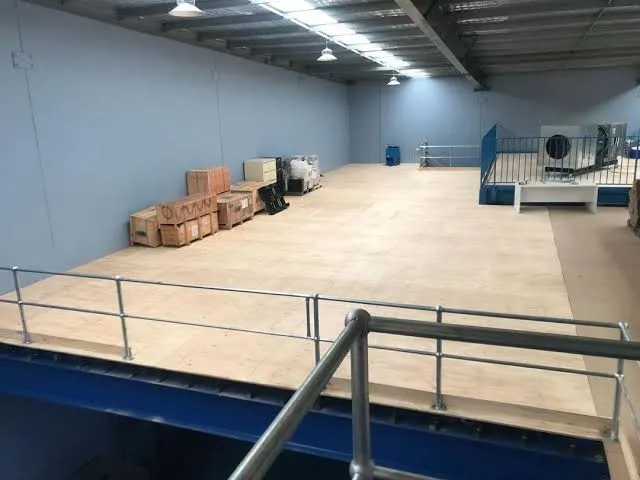
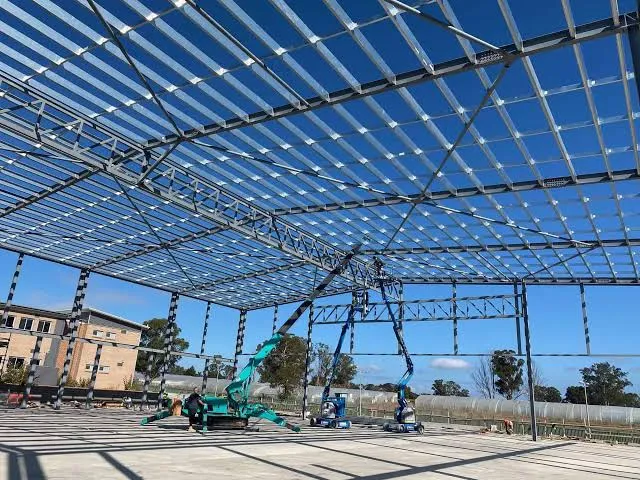
Steel portal frame construction allows for far greater clear span widths than timber often up to 30m+ without internal columns. This makes steel the only practical choice for machinery sheds, aircraft hangars, warehouses and commercial buildings where unobstructed internal space is essential.
For smaller structures a garden shed, a small workshop timber framing can achieve adequate spans cost-effectively. But as soon as you need a building wider than about 9–10m, steel becomes the more practical structural solution.
Timber may be cheaper upfront for very small buildings; steel wins for anything larger.
For small residential sheds (under 30m²), a basic timber-frame kit may come in slightly lower on initial cost. But for sheds of any meaningful size a single car garage and above steel is typically comparable in initial cost and significantly cheaper over the building’s lifetime when maintenance is factored in.
For farm sheds, machinery sheds, commercial buildings and any structure over approximately 50m², a steel portal frame building is almost always the more cost-effective long-term investment.
Factor | Steel Shed | Timber Shed |
|---|---|---|
Durability |  50+ years with minimal maintenance 50+ years with minimal maintenance |  20–40 years with regular maintenance 20–40 years with regular maintenance |
Termite resistance | Completely resistant |  High risk without treatment High risk without treatment |
Fire resistance | Non-combustible | Combustible |
Maintenance cost | Low | Higher ongoing cost |
Span capability | Up to 30m+ clear span | Limited for larger structures |
Upfront cost (small sheds) | Slightly higher | Lower for small structures |
Long-term value | Superior | Lower |
Verdict: For the vast majority of Australian farm, industrial, commercial and residential shed applications, a steel shed is the better long-term choice. Timber may suit very small residential applications where aesthetics and budget are the primary drivers but for anything larger, steel wins on every meaningful metric.
Sydney Structural Steel designs, fabricates and installs custom steel sheds and buildings across Sydney and NSW — from small residential garages to large-scale industrial facilities.
Call [+61] 296154777 or get in touch at sydneystructuralsteel.com.au/